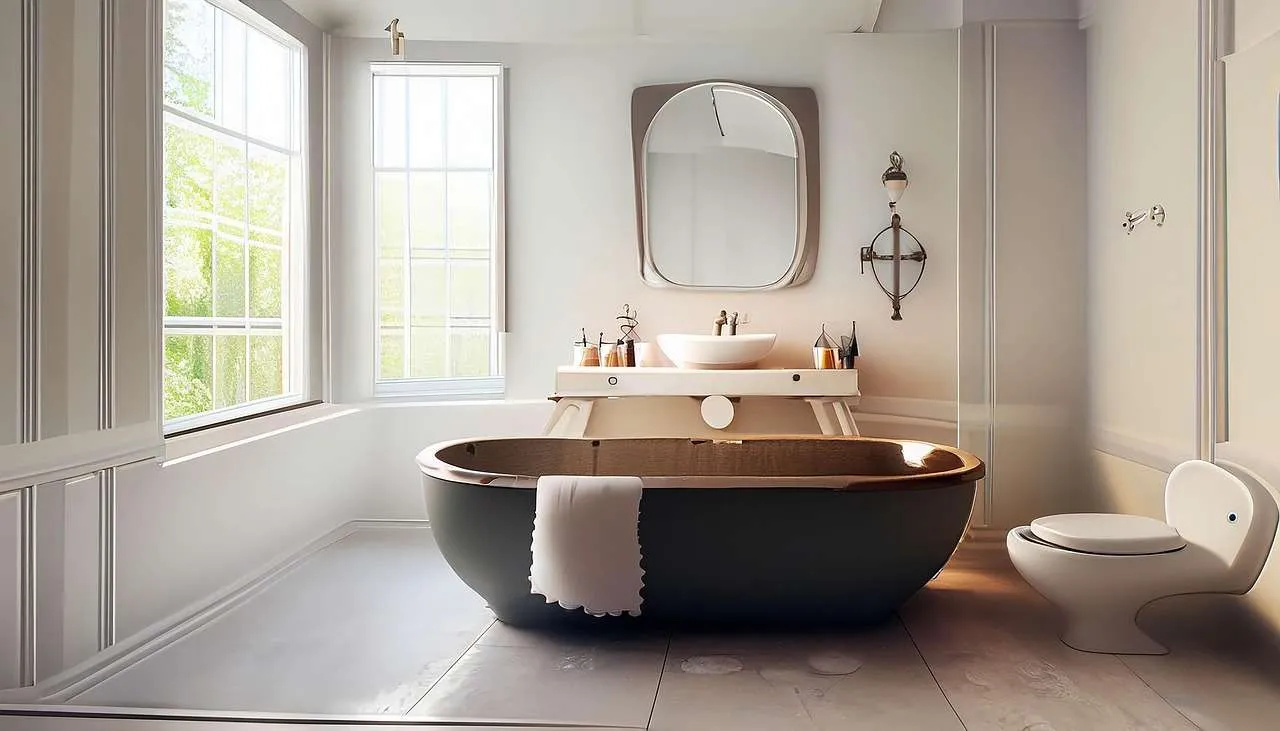
Designing a small bathroom doesn’t require trade-offs between style and function. With thoughtful planning, you can create a space that feels larger, brighter, and more organized. This guide shares practical small bathroom ideas focused on layout, color, lighting, and storage, so you can achieve a beautiful, efficient bath—even in tight footprints.
Space-Smart design principles
Start with the basics: proportion, balance, and flow. Use a consistent vertical line to draw the eye upward, which visually expands the room. Keep sightlines clear by avoiding clutter and choosing fixtures with slim profiles. For EEAT, rely on professional guidance for plumbing placement and waterproofing, and select moisture-resistant finishes designed for bathrooms.
Maximize wall space and natural light
In a small bathroom, every inch on the walls counts. Install a tall mirror or mirrored cabinets to multiply light and create a sense of depth. Choose a glass shower enclosure rather than a solid door to maintain openness. If you lack natural light, implement layered lighting: a dimmable ceiling light, a bright task light near the vanity, and subtle LED strips along shelves or under cabinets to eliminate shadows.
Smart storage solutions
Storage should be accessible yet discreet. Options include floating vanities with integrated drawers, wall-mounted open shelving, and recessed niches in the shower for toiletries. Consider a vanity with built-in organizers and soft-close drawers to reduce clutter. For families, a tall, slim linen cabinet placed in a corner can store towels and supplies without crowding the floor area.
Fixtures and layout ideas
Choose compact, efficient fixtures that maximize usable space. A wall-hung toilet and a pedestal or wall-mounted sink open floor space, making the room feel larger. A curbless shower with a frameless glass panel keeps lines clean and reduces visual bulk. Prioritize right-sized basins and a vanity that provides storage without oversizing the footprint. If a bathtub is essential, consider a compact deep tub or a combination tub/shower with built-in storage shelves.
Color, materials, and visual expansion
Light colors and reflective surfaces bounce light and visually expand the room. Soft neutrals like off-white, pale gray, or warm beige create a calm backdrop, while a single bold accent tile can add personality without overwhelming the space. Use large-format porcelain or ceramic tiles to reduce grout lines. For EEAT, verify that materials are moisture-rated, mildew-resistant, and sealed to prevent water damage.
Lighting and ventilation
Layered lighting improves functionality and mood. A bright, energy-efficient ceiling fixture paired with vanity lighting reduces shadows on the face, aiding tasks like shaving or makeup. Good ventilation prevents moisture buildup and preserves finishes, so install a rated extractor fan with a humidity sensor if possible. Smart or timing-controlled fans offer convenience and efficiency.
Budget-friendly upgrades
Small changes can deliver big impact without a full renovation. Fresh paint or high-quality wall coverings, updated hardware (towel bars, cabinet pulls, and hinges), and a new faucet can transform the space. If plumbing permits, switch to a dual-flush toilet to save water. Always obtain professional help for electrical, plumbing, and waterproofing to protect your investment and ensure safety.
Layout options and a quick comparison
Different layouts suit different priorities. The table below highlights common approaches, with quick pros and cons to help you choose.
| Layout | Pros | Cons | Best For |
|---|---|---|---|
| Walk-in shower + wall-hung vanity | Opens space; easy cleaning; modern look | Limited storage depth | Small to mid-sized baths seeking openness |
| Shower-tub combo with built-in niches | Bath option with accessible storage | Takes more space; can clutter visually | Families needing baths in a compact footprint |
| Curbless shower with glass panel | Seamless look; accessible; good for resale | Requires meticulous waterproofing | Ultra-modern baths with minimal barriers |
Maintenance, safety, and EEAT considerations
Regular maintenance extends the life of a small bathroom. Wipe down surfaces to prevent soap scum and mineral buildup, reseal grout periodically, and ensure ventilation remains effective. For professional reliability, hire licensed tradespeople for plumbing, electrical, and waterproofing work. Use moisture-rated products and follow building codes to ensure safety, longevity, and a high-standard finish.
Implementation checklist
To translate these ideas into reality, use this concise checklist: measure accurately; pick a cohesive color palette; select a space-saving vanity and a compact toilet; install a frameless shower and tall mirrors; add open shelving for function without clutter; and verify ventilation and moisture control before finishing surfaces.
Conclusion, applying these small bathroom ideas helps you maximize every inch while keeping style, comfort, and practicality at the forefront. With thoughtful layout, durable materials, and layered lighting, your compact bathroom can feel bigger, brighter, and more organized—without sacrificing personality or convenience.